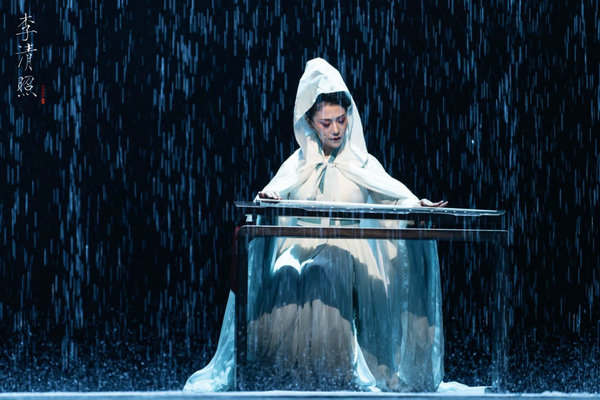
Li Qingzhao
Introduction
Li Qingzhao (1084-1155) is acclaimed as one of the most distinguished female poets in Chinese history. Born in Jinan, Shandong province, she is celebrated for her exquisite lyricism and emotional depth, which vividly capture the complexities of life. Her work predominantly explores themes of love, nature, and the human condition, rendering her a legacy as a literary luminary. Her poetic artistry endures in its ability to resonate with readers across generations.
Early Life and Background
Li Qingzhao was born into a literary family, which played a pivotal role in shaping her literary career. Her father's involvement in scholarly activities provided her with an environment conducive to literary pursuits, and she began writing poetry at an early age. Her early life in Jinan, surrounded by the natural beauty of Shandong's springs and landscapes, greatly influenced her work, instilling in her a deep appreciation for nature—a recurring theme in her poetry.
Marriage and Personal Life
In 1101, Li Qingzhao married Zhao Mingcheng, a notable antiquarian and scholar. Their marriage was marked by mutual intellectual respect and shared literary interests, particularly in the collection and study of ancient inscriptions. However, their life together was disrupted by political upheavals and Zhao Mingcheng's untimely death in 1129. These events deeply affected Li Qingzhao, and her later poetry reflects the sorrow and loneliness of her widowhood.
Later Life and Exile
Following her husband's death, Li Qingzhao faced numerous challenges, including financial difficulties and forced displacement due to warfare. She relocated to Hangzhou and other cities in the south, where she continued to write, drawing inspiration from her adversities. Her later works reflect a maturity and depth shaped by the trials she endured, offering poignant insights into her inner world.
Literary Contributions
Li Qingzhao's oeuvre consists predominantly of ci (词), a form of lyric poetry that enjoyed immense popularity during the Song dynasty. Her poetry is renowned for its subtlety, elegance, and profound emotional expression, often reflecting her personal experiences and sentiments. Among her most famous works are "Tune: Like a Dream" and "Sounds Go Slow," which encapsulate her unique style—characterized by a delicate blending of personal emotion with vivid imagery.
Legacy and Modern Interpretations
Li Qingzhao's poetry has continued to inspire generations of readers and artists. Her life and works have been the subject of various adaptations, including operas, dance dramas, and visual arts, which explore and celebrate her enduring influence on Chinese cultural heritage. Modern interpretations often highlight her pioneering role as a female poet in a male-dominated literary tradition, showcasing her courage and innovation.
Cultural Impact and Commemoration
Li Qingzhao remains a central figure in Chinese cultural history, with her poetry frequently included in academic curricula and public performances. Her work not only provides insight into the societal norms of her time but also serves as a testament to the enduring power of lyrical expression. Celebrations of her contributions, such as curated exhibitions and translations of her poetry, ensure that her legacy continues to captivate and inspire.
Li Qingzhao's life and work embody the intricate interplay between personal experience and literary expression. As a poet who defied the conventions of her era, she has left an indelible mark on Chinese literature, and her influence extends beyond linguistic and cultural boundaries. Her ability to articulate complex emotions with elegance and precision ensures her place as a timeless icon in the world of poetry.








